
So, What's Going on with SNAP Right Now?
By Gypsy Walukones, Senior Communications Manager
With the end of the government shutdown in November, SNAP benefit payments resumed. But the threat of hunger for families and individuals relying on SNAP is far from over.
Beginning December 1st, new changes from H.R. 1 kicked in. These disqualify many people from receiving benefits for more than three months during a three-year period without meeting work requirements.
Starting in 1996, SNAP recipients considered “able-bodied adults without dependents” have been required to work, and stricter requirements have been added over time. Before the latest changes, certain groups were exempted from work requirements.
These groups included veterans, former foster youth who are aging out of care, and people experiencing homelessness. The exemptions acknowledged how hard people with these experiences need to work to build or rebuild stability in their lives. Work requirements aren’t just about working, they require recipients to jump through extra hoops, putting time and energy they desperately need for other tasks into proving their need. Removing these exemptions is cruel. It puts many thousands of people at greater risk for hunger, poor physical and mental health, long-term homelessness, incarceration, and substance use.
Over the next year, the bill also puts more responsibility on states to provide the funding for SNAP benefits and less choice for those states about who is eligible for benefits. Many states, including ones that are losing revenue after cutting state income taxes, have said they will be unable to fully fund the program.
Washington State, which has no income tax and relies primarily on regressive taxes such as sales tax to bring in revenue, already faces a budget shortfall and damaging cuts to state programs.
One easy way to reach out to your members of Congress about these devastating cuts is through the Food Research & Action Center’s pre-populated email. (Pro-tip: the more you customize the message, the greater impact it may have.)
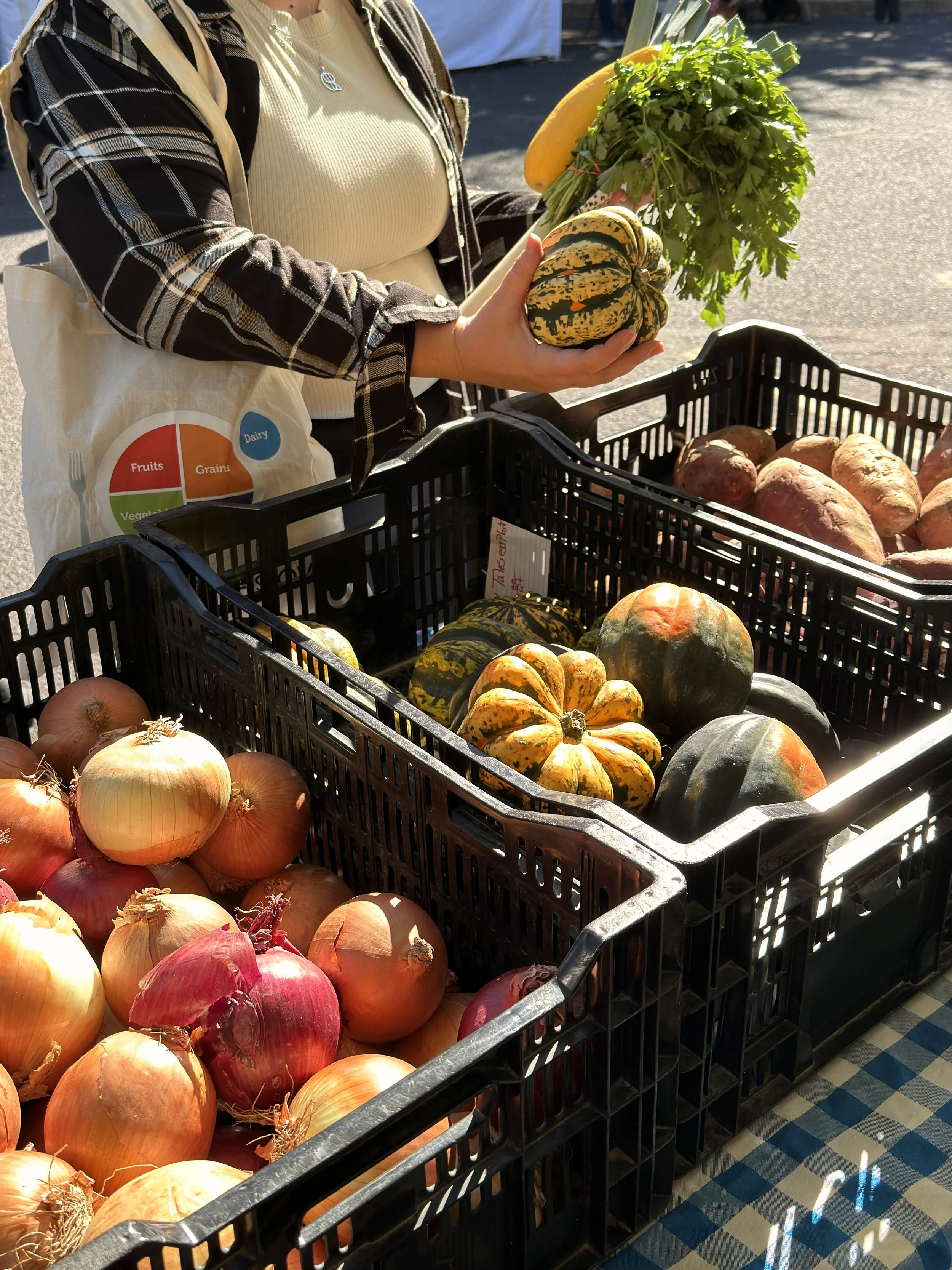
SNAP can be used to buy fresh produce at farmers markets as well as grocery stores, but these options aren’t accessible for everyone.
(Photo courtesy of USDA's Food and Nutrition Service (FNS), Supplemental Nutrition Assistance Program)
Along with the changed requirements, and the inability of most states to fully fund the program in the future, many states are adding new restrictions on what shoppers can purchase with SNAP benefits. The federal government is offering states extra funding if they prohibit “junk food” purchases with the SNAP program. Proponents argue this will encourage healthier choices. But where are the healthier choices when a gas station convenience store is the only source of food within reach? What are the healthy options for someone living without a kitchen, with no refrigeration or stove to store and cook their food? Hot prepared foods are already ineligible. Often, ultra-processed shelf-stable foods are the only reliable choice. It’s hard to be concerned about “empty calories” when you’re prioritizing getting enough calories to survive. One of our clients shared how important it was to their mental and physical well-being to be able to access hot foods through our Kindness Café when they were living in their car since those weren’t available through SNAP. If anything, they shared, opening SNAP up more rather than restricting it would help more people get to self-sufficiency.
Simply put, every SNAP restriction makes it harder for people to get the food they need. This has a ripple effect. Policing how people use their benefits doesn’t help people move past the need for those benefits. It just adds additional challenges – everything from extra paperwork to going hungry – for people who are just trying to meet their basic needs.
When we invest in meeting people’s basic needs, families and individuals are better able to build stability, to access education, housing, and healthcare along with the food they need to survive. Our society is healthier and we all benefit when we make sure people don’t fall through the cracks.